

Can a Round Spring Steel Collet be Used for Thin - walled Workpieces?
As a supplier of Round Spring Steel Collets, I've encountered numerous inquiries from customers about the suitability of these collets for thin - walled workpieces. In this blog, we'll explore this topic in depth and provide a comprehensive analysis.
Understanding Round Spring Steel Collets
Round Spring Steel Collets are precision clamping devices widely used in machining operations. They are designed to hold workpieces securely in place during various manufacturing processes such as turning, milling, and drilling. These collets are made from high - quality spring steel, which offers excellent elasticity and durability. The round shape of the collet allows for a uniform distribution of clamping force around the workpiece, ensuring stable and accurate machining.
The working principle of a round spring steel collet is based on its ability to expand and contract. When a drawbar is pulled, the collet is compressed radially, gripping the workpiece tightly. This mechanism provides a strong and reliable clamping force, which is essential for maintaining the position of the workpiece during machining.
Characteristics of Thin - walled Workpieces
Thin - walled workpieces have unique characteristics that pose challenges in machining. They are typically made of materials such as aluminum, brass, or stainless steel and have a relatively small wall thickness compared to their overall size. Due to their thin walls, these workpieces are prone to deformation, vibration, and chatter during machining.
The main challenges in machining thin - walled workpieces include:
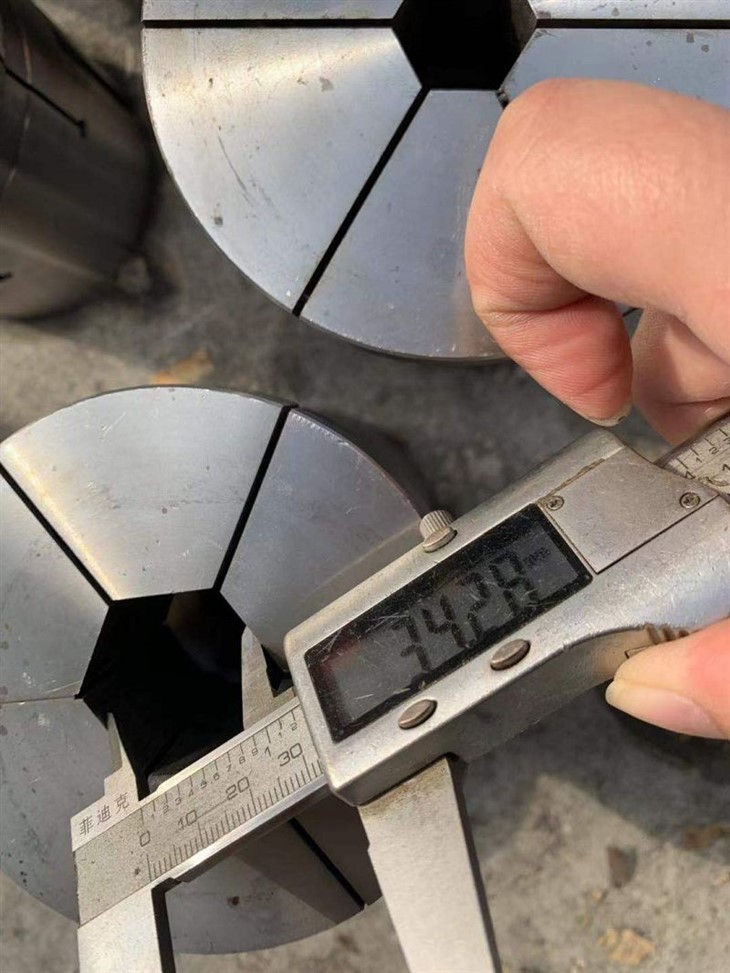
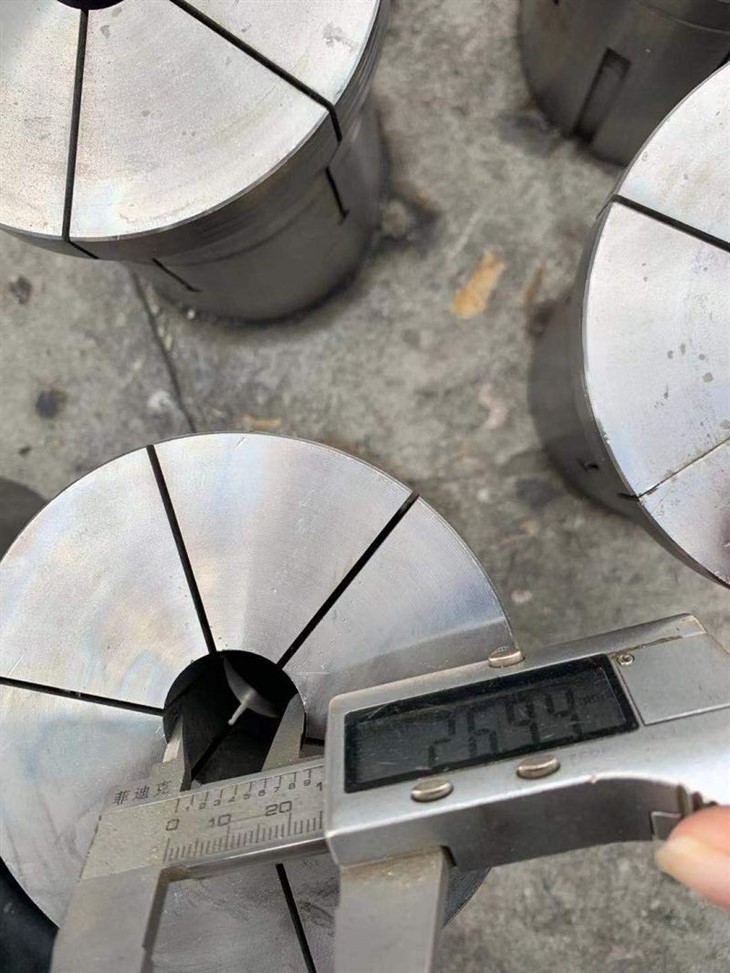
- Deformation: The clamping force applied during machining can cause the thin walls to deform, leading to dimensional inaccuracies.
- Vibration and Chatter: Thin - walled workpieces are more likely to vibrate and chatter during machining, which can result in poor surface finish and reduced tool life.
- Heat Generation: Machining generates heat, and thin - walled workpieces have a lower heat dissipation capacity. This can cause thermal expansion and further deformation.
Using Round Spring Steel Collets for Thin - walled Workpieces
Now, let's address the question: Can a round spring steel collet be used for thin - walled workpieces? The answer is yes, but with certain considerations.
Advantages
- Uniform Clamping Force: Round spring steel collets provide a uniform clamping force around the circumference of the workpiece. This helps to minimize the risk of deformation by distributing the force evenly across the thin walls. For example, when machining a thin - walled cylindrical part, the round collet can hold the part firmly without causing excessive stress on any one area.
- Elasticity: The spring steel material used in these collets has good elasticity. This allows the collet to adjust to small variations in the workpiece diameter and absorb some of the vibrations during machining. As a result, it can reduce the likelihood of chatter and improve the surface finish of the workpiece.
- Precision: Round spring steel collets are known for their high precision. They can hold the workpiece with a high degree of accuracy, which is crucial for machining thin - walled parts that require tight tolerances.
Limitations
- Clamping Force Adjustment: While the uniform clamping force is an advantage, it can also be a limitation if the force is too high. Excessive clamping force can still cause deformation in thin - walled workpieces. Therefore, it is essential to carefully adjust the clamping force according to the specific requirements of the workpiece.
- Workpiece Geometry: The round shape of the collet may not be suitable for all thin - walled workpieces. For example, if the workpiece has a non - circular cross - section, a round collet may not provide the best clamping solution. In such cases, other types of collets, such as Hex Spring Steel Collets or Octagonal Spring Steel Collets, may be more appropriate.
Tips for Using Round Spring Steel Collets with Thin - walled Workpieces
- Select the Right Collet Size: Choose a round spring steel collet that is slightly larger than the workpiece diameter. This allows for some flexibility in clamping and reduces the risk of over - clamping.
- Adjust the Clamping Force: Use a force - measuring device to ensure that the clamping force is within the acceptable range for the thin - walled workpiece. Start with a lower force and gradually increase it if necessary.
- Use Support Structures: In some cases, it may be beneficial to use additional support structures, such as mandrels or bushings, to provide extra stability to the thin - walled workpiece during machining.
- Optimize Machining Parameters: Adjust the cutting speed, feed rate, and depth of cut to minimize the forces acting on the workpiece. This can help to reduce the risk of deformation and improve the machining quality.
Conclusion
In conclusion, round spring steel collets can be used for thin - walled workpieces, but careful consideration must be given to the workpiece characteristics, clamping force, and machining parameters. When used correctly, these collets can provide a reliable and precise clamping solution for thin - walled parts.
If you are interested in purchasing Round Spring Steel Collets for your thin - walled workpiece machining needs, please feel free to contact us for further discussion and procurement negotiation. We are committed to providing high - quality collets and excellent customer service.
References
- Smith, J. (2018). Precision Machining of Thin - Walled Components. Machining Technology Journal, 25(3), 123 - 135.
- Brown, A. (2019). Clamping Solutions for Challenging Workpieces. Manufacturing Insights, 12(2), 45 - 52.
- Wilson, R. (2020). Spring Steel Collets: Design and Applications. Engineering Materials Review, 30(4), 78 - 85.