

As a trusted supplier of Hex Spring Steel Collets, I've had the privilege of working closely with numerous customers across various industries. One question that frequently arises is how to improve the surface finish of a workpiece held by a hex spring steel collet. In this blog post, I'll share some practical insights and strategies based on my experience and industry knowledge.
Understanding the Role of Hex Spring Steel Collets
Before delving into the methods of improving surface finish, it's essential to understand the role of hex spring steel collets. These collets are precision-engineered components used in machining operations to securely hold workpieces. Their unique design allows for a high degree of concentricity and gripping force, making them ideal for a wide range of applications, from turning and milling to grinding and drilling.
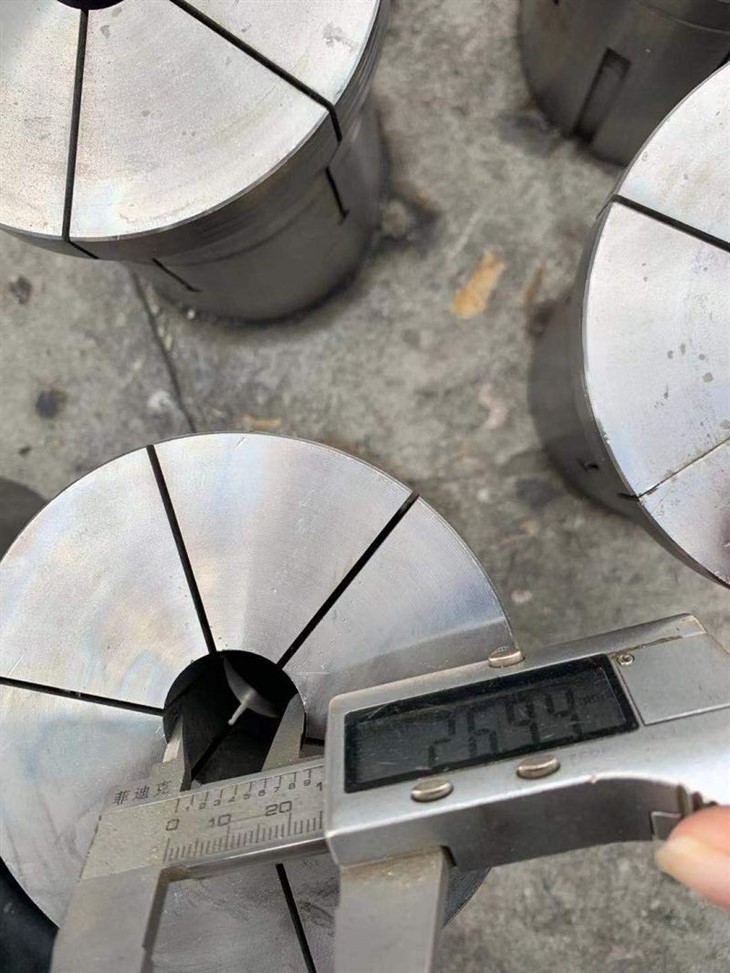
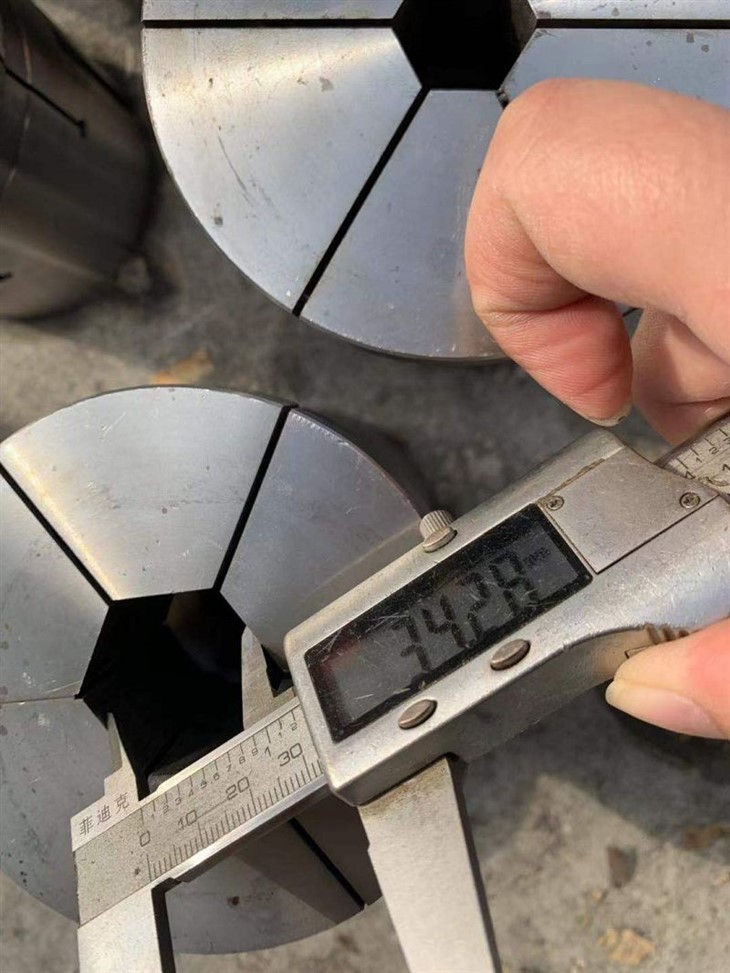
The hex shape of these collets provides multiple contact points with the workpiece, ensuring a stable and uniform grip. This helps to minimize vibration and deflection during machining, which are common causes of poor surface finish. However, achieving the best possible surface finish requires more than just using a high-quality collet. It involves a combination of factors, including the choice of collet, machining parameters, and workpiece material.
Selecting the Right Collet
The first step in improving the surface finish of a workpiece is to select the right collet for the job. When choosing a hex spring steel collet, consider the following factors:
- Size and Tolerance: Ensure that the collet is the correct size for the workpiece and has the appropriate tolerance. A collet that is too loose or too tight can cause the workpiece to shift during machining, resulting in a poor surface finish.
- Material and Hardness: The material and hardness of the collet can also affect the surface finish. For example, a collet made from high-quality spring steel with the right hardness can provide better gripping force and reduce the risk of workpiece slippage.
- Design and Features: Some collets are designed with special features, such as a smooth bore or a chamfered edge, which can help to improve the surface finish. Consider these features when selecting a collet.
As a supplier, I offer a wide range of Hex Spring Steel Collets to meet the diverse needs of my customers. Our collets are made from high-quality materials and are precision-manufactured to ensure the best possible performance.
Optimizing Machining Parameters
Once you've selected the right collet, the next step is to optimize the machining parameters. The following parameters can have a significant impact on the surface finish of the workpiece:
- Cutting Speed: The cutting speed refers to the speed at which the cutting tool moves relative to the workpiece. A higher cutting speed can generally result in a better surface finish, but it also increases the risk of tool wear and workpiece damage. Find the optimal cutting speed for your specific application by conducting tests and adjusting the speed accordingly.
- Feed Rate: The feed rate is the rate at which the cutting tool advances into the workpiece. A slower feed rate can result in a smoother surface finish, but it also increases the machining time. Experiment with different feed rates to find the right balance between surface finish and productivity.
- Depth of Cut: The depth of cut refers to the thickness of the material removed by the cutting tool in each pass. A smaller depth of cut can result in a better surface finish, but it also requires more passes to complete the machining operation. Consider the material properties and the desired surface finish when determining the depth of cut.
In addition to these parameters, it's also important to use the right cutting tools and coolant. A sharp cutting tool can provide a cleaner cut and reduce the risk of workpiece damage, while a coolant can help to dissipate heat and reduce friction, resulting in a better surface finish.
Preparing the Workpiece
Proper workpiece preparation is another crucial factor in improving the surface finish. Before machining, make sure the workpiece is clean and free of any contaminants, such as dirt, oil, or rust. These contaminants can cause the collet to slip or the cutting tool to wear prematurely, resulting in a poor surface finish.
If the workpiece has any rough edges or burrs, remove them using a deburring tool or a file. This will help to ensure a smooth and uniform surface for the collet to grip and the cutting tool to work on.
Maintaining the Collet
Regular maintenance of the collet is essential to ensure its optimal performance and to improve the surface finish of the workpiece. Here are some tips for maintaining a hex spring steel collet:
- Clean the Collet Regularly: After each use, clean the collet using a soft brush and a suitable cleaning solution. This will help to remove any chips, debris, or coolant residue that may have accumulated on the collet.
- Inspect the Collet for Wear and Damage: Regularly inspect the collet for signs of wear, such as excessive wear on the gripping surface or cracks in the collet body. If you notice any signs of wear or damage, replace the collet immediately to avoid compromising the surface finish of the workpiece.
- Lubricate the Collet: Apply a thin layer of lubricant to the collet's gripping surface to reduce friction and wear. This will help to ensure a smooth and secure grip on the workpiece and improve the surface finish.
Other Considerations
In addition to the above factors, there are a few other considerations that can help to improve the surface finish of a workpiece held by a hex spring steel collet:
- Workpiece Material: Different materials have different machining characteristics, which can affect the surface finish. For example, some materials are more prone to chatter or vibration during machining, while others may require special cutting tools or techniques. Consider the material properties when selecting the machining parameters and the collet.
- Machine Tool Rigidity: The rigidity of the machine tool can also have a significant impact on the surface finish. A rigid machine tool can minimize vibration and deflection during machining, resulting in a better surface finish. Make sure the machine tool is properly maintained and calibrated to ensure its optimal performance.
- Operator Skill and Experience: The skill and experience of the operator can also play a role in improving the surface finish. A skilled operator can make adjustments to the machining parameters as needed and ensure that the collet and the cutting tool are used correctly. Provide training and support to your operators to help them improve their skills and knowledge.
Conclusion
Improving the surface finish of a workpiece held by a hex spring steel collet requires a comprehensive approach that takes into account various factors, including the choice of collet, machining parameters, workpiece preparation, and collet maintenance. By following the tips and strategies outlined in this blog post, you can achieve a better surface finish and improve the overall quality of your machining operations.
As a supplier of Hex Spring Steel Collets, I'm committed to providing my customers with high-quality products and excellent service. If you have any questions or need further assistance in selecting the right collet or improving the surface finish of your workpieces, please don't hesitate to contact me. I'll be happy to help you find the best solutions for your specific needs.
References
- Machining Handbook, Industrial Press Inc.
- Precision Machining Technology, Society of Manufacturing Engineers