

Adjusting the clamping force of a round spring steel collet is a critical skill in many industrial applications, especially in precision machining. As a supplier of Round Spring Steel Collets, I understand the importance of getting this adjustment right. In this blog, I'll share some insights on how to adjust the clamping force of a round spring steel collet effectively.
Understanding the Basics of Round Spring Steel Collets
Before diving into the adjustment process, it's essential to understand what a round spring steel collet is. A Round Spring Steel Collet is a type of clamping device used to hold a workpiece or tool securely in place. It consists of a cylindrical body made of spring steel, which has a series of slits cut along its length. These slits allow the collet to expand and contract, providing a tight grip on the workpiece or tool.

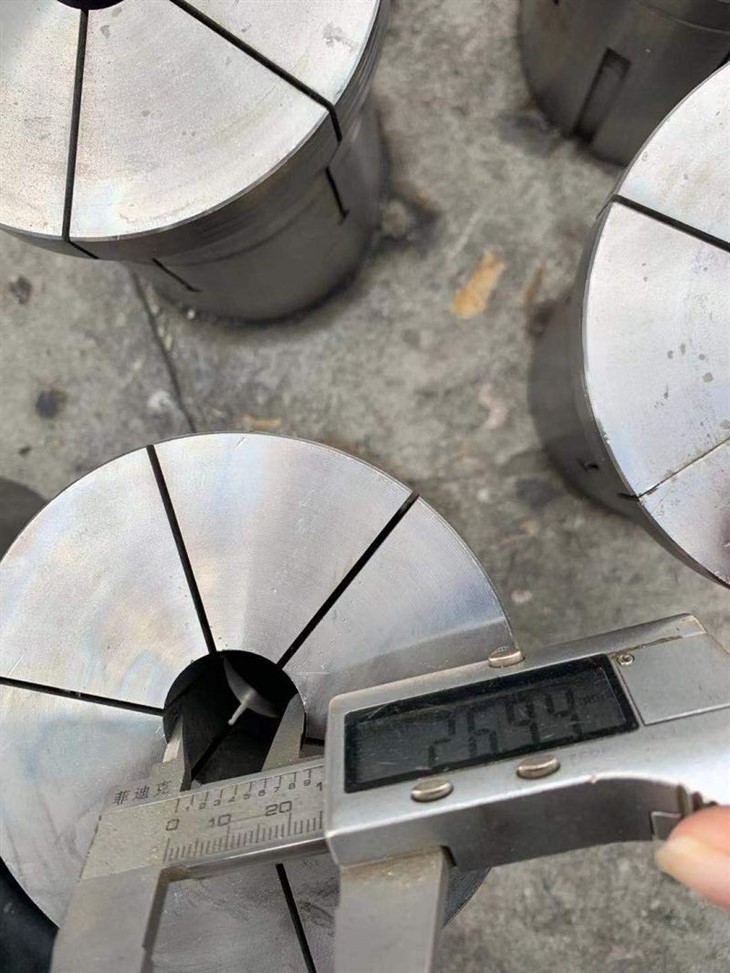
The clamping force of a round spring steel collet is determined by several factors, including the material properties of the spring steel, the design of the collet (such as the number and width of the slits), and the amount of compression applied to the collet.
Factors Affecting Clamping Force
- Material Properties: The type of spring steel used in the collet plays a significant role in determining its clamping force. High - quality spring steels with excellent elasticity and strength can provide a more consistent and reliable clamping force. Different grades of spring steel have different yield strengths and elastic moduli, which directly affect how much the collet can deform and how much force it can exert on the workpiece.
- Collet Design: The design of the collet, especially the number and width of the slits, affects its flexibility and the distribution of clamping force. More slits generally make the collet more flexible, allowing it to adapt better to irregularly shaped workpieces. However, if the slits are too wide or too numerous, the collet may lose its structural integrity and the clamping force may be reduced.
- Compression Amount: The amount of compression applied to the collet is directly related to the clamping force. When a collet is compressed, it contracts around the workpiece, generating a clamping force. The more the collet is compressed, the greater the clamping force, up to a certain limit. Excessive compression can cause the collet to deform permanently or damage the workpiece.
Methods for Adjusting Clamping Force
1. Adjusting the Compression Nut
One of the most common ways to adjust the clamping force of a round spring steel collet is by using a compression nut. The compression nut is threaded onto the collet body and, when tightened, compresses the collet around the workpiece.
- Step 1: Insert the Workpiece
- First, insert the workpiece into the collet. Make sure the workpiece is centered properly within the collet to ensure even clamping force distribution.
- Step 2: Initial Tightening
- Begin tightening the compression nut slowly. As you turn the nut, the collet will start to contract around the workpiece. You can use a torque wrench to ensure that you are applying the correct amount of torque.
- Step 3: Testing the Clamping Force
- After tightening the nut, test the clamping force by trying to move the workpiece slightly. If the workpiece moves easily, the clamping force is too low, and you need to tighten the nut further. If the workpiece is difficult to insert or remove, the clamping force may be too high, and you should loosen the nut slightly.
2. Using shims
Shims can be used to adjust the clamping force of a round spring steel collet. Shims are thin pieces of material that can be placed between the collet and the compression nut or other components.
- Step 1: Select the Right Shim
- Choose a shim with the appropriate thickness. Thicker shims will increase the compression of the collet, resulting in a higher clamping force, while thinner shims will reduce the compression and the clamping force.
- Step 2: Insert the Shim
- Carefully insert the shim between the collet and the compression nut or other relevant components. Make sure the shim is evenly distributed around the collet to ensure uniform clamping force.
- Step 3: Tighten the Compression Nut
- After inserting the shim, tighten the compression nut as described above. Test the clamping force to ensure it is within the desired range.
3. Heat Treatment
Heat treatment can also be used to adjust the clamping force of a round spring steel collet. By changing the microstructure of the spring steel through heat treatment, the material properties of the collet can be altered.
- Step 1: Determine the Heat Treatment Process
- Depending on the desired change in clamping force, different heat treatment processes can be used. For example, annealing can soften the spring steel, reducing the clamping force, while quenching and tempering can increase the hardness and strength of the steel, resulting in a higher clamping force.
- Step 2: Perform the Heat Treatment
- Follow the appropriate heat treatment procedure carefully. This may involve heating the collet to a specific temperature, holding it at that temperature for a certain period, and then cooling it at a controlled rate.
- Step 3: Test the Clamping Force
- After heat treatment, test the clamping force of the collet to ensure that the desired adjustment has been achieved.
Other Considerations
1. Workpiece Material and Size
The material and size of the workpiece can also affect the clamping force requirements. For example, softer materials may require a lower clamping force to avoid damage, while harder materials may need a higher clamping force to hold them securely. Similarly, larger workpieces may require a greater clamping force than smaller ones.
2. Collet Maintenance
Regular maintenance of the round spring steel collet is essential to ensure consistent clamping force. Clean the collet regularly to remove any debris or chips that may affect its performance. Inspect the collet for signs of wear or damage, such as cracks or excessive deformation. Replace the collet if necessary.
Conclusion
Adjusting the clamping force of a round spring steel collet is a crucial process that requires a good understanding of the factors affecting clamping force and the appropriate adjustment methods. By following the steps outlined in this blog, you can ensure that your collet provides the optimal clamping force for your specific application.
As a supplier of Round Spring Steel Collets, we also offer Octagonal Spring Steel Collets and Hex Spring Steel Collets to meet different customer needs. If you have any questions about our products or need assistance with clamping force adjustment, please feel free to contact us for further discussion and potential procurement.
References
- "Precision Machining Handbook" - A comprehensive guide on machining processes and tooling, including information on collets and clamping systems.
- "Spring Steel Materials and Their Applications" - A technical document that details the properties and uses of different types of spring steel in industrial applications.