

Removing a spring steel collet might seem like a daunting task, especially if you're new to working with such components. As a supplier of high - quality spring steel collets, I've encountered many customers who have questions about the removal process. In this blog, I'll guide you through the steps to safely and effectively remove a spring steel collet, whether it's a Round Spring Steel Collet, Hex Spring Steel Collet, or Octagonal Spring Steel Collet.
Understanding Spring Steel Collets
Before we dive into the removal process, it's essential to understand what spring steel collets are and how they work. Spring steel collets are precision - engineered components used in a variety of applications, particularly in machining operations. They are designed to hold workpieces or cutting tools securely in place within a chuck or spindle. The collet's spring - like properties allow it to expand and contract, gripping the object tightly when compressed.
The most common types of spring steel collets include round, hex, and octagonal shapes. Each type is suited for different applications, depending on the shape of the workpiece or tool being held. For example, a round collet is ideal for cylindrical objects, while a hex collet is better for hexagonal workpieces.
Tools Required for Removal
To remove a spring steel collet, you'll need a few basic tools. These include:
- Collet Wrench: This is a specialized tool designed to fit the nut or collar that holds the collet in place. The wrench allows you to loosen the nut, which in turn releases the collet.
- Cleaning Brush: A small brush can be used to clean any debris or chips from the collet and the chuck or spindle before and after removal.
- Safety Gloves: Since you'll be working with metal components, it's important to wear safety gloves to protect your hands from sharp edges and potential injuries.
- Lubricant: A light lubricant can be helpful in case the collet is stuck due to rust or debris. Apply a small amount of lubricant to the threads or contact points to ease the removal process.
Step - by - Step Removal Process
The following steps outline the general process for removing a spring steel collet:
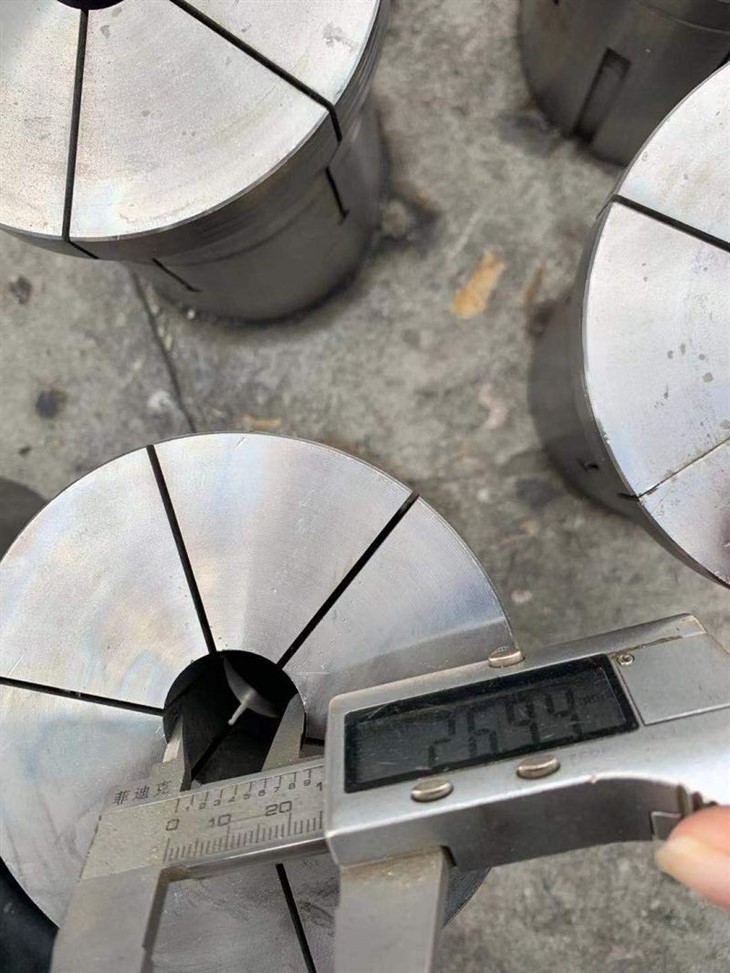

Step 1: Prepare the Work Area
Before you start, make sure the machine is turned off and unplugged to prevent any accidental starts. Clear the work area of any clutter or debris that could interfere with the removal process. Put on your safety gloves to protect your hands.
Step 2: Identify the Collet Type and Nut
Examine the collet and the chuck or spindle to identify the type of collet and the nut or collar that holds it in place. Different machines may use different types of nuts or collars, so it's important to use the correct collet wrench for the job.
Step 3: Loosen the Nut
Insert the collet wrench into the nut or collar and turn it counter - clockwise. Apply steady pressure, but be careful not to over - tighten or force the wrench. If the nut is difficult to turn, you can try applying a small amount of lubricant to the threads and letting it sit for a few minutes before trying again.
Step 4: Remove the Nut
Once the nut is loose, continue turning it until it can be removed completely by hand. Set the nut aside in a safe place.
Step 5: Release the Collet
With the nut removed, the collet should be free to move. Gently pull the collet out of the chuck or spindle. If the collet is stuck, you can try using a cleaning brush to remove any debris or chips that may be causing it to bind. You can also tap the collet lightly with a soft - faced hammer to loosen it, but be careful not to damage the collet or the chuck.
Step 6: Clean the Components
After removing the collet, use a cleaning brush to remove any debris or chips from the collet, the nut, and the chuck or spindle. This will help ensure smooth operation when you reinstall the collet or replace it with a new one.
Troubleshooting Common Issues
Sometimes, you may encounter problems when trying to remove a spring steel collet. Here are some common issues and solutions:
Collet is Stuck
If the collet is stuck, it could be due to rust, debris, or over - tightening. Try applying a lubricant to the threads and letting it sit for a few minutes. You can also tap the collet lightly with a soft - faced hammer to loosen it. If the problem persists, you may need to use a more aggressive method, such as using a penetrating oil or a collet - removal tool.
Nut is Damaged
If the nut is damaged or stripped, it may be difficult to loosen. In this case, you may need to replace the nut. Make sure to use a nut that is the correct size and type for your collet and machine.
Collet is Worn or Damaged
If the collet is worn or damaged, it may not hold the workpiece or tool securely. In this case, it's best to replace the collet with a new one. As a spring steel collet supplier, we offer a wide range of high - quality collets to meet your needs.
Reinstalling the Collet
Once you've removed and cleaned the collet, you may need to reinstall it. The reinstallation process is essentially the reverse of the removal process. Here are the steps:
- Clean the Chuck or Spindle: Use a cleaning brush to remove any debris or chips from the chuck or spindle.
- Insert the Collet: Gently insert the collet into the chuck or spindle, making sure it is properly aligned.
- Install the Nut: Place the nut over the collet and turn it clockwise using the collet wrench. Tighten the nut until it is snug, but be careful not to over - tighten.
- Test the Collet: Once the collet is installed, test it by inserting a workpiece or tool and checking the grip. Make sure the collet holds the object securely in place.
Conclusion
Removing a spring steel collet is a relatively straightforward process if you have the right tools and follow the proper steps. By understanding the collet's function, using the correct tools, and taking the necessary safety precautions, you can remove and reinstall the collet safely and effectively.
As a leading supplier of spring steel collets, we are committed to providing our customers with high - quality products and excellent customer service. Whether you need a round, hex, or octagonal collet for your machining operations, we have the expertise and inventory to meet your needs.
If you have any questions about spring steel collets or the removal process, or if you're interested in purchasing collets for your business, please feel free to contact us. We look forward to working with you and helping you find the perfect collet solution for your application.
References
- "Machinery's Handbook", Industrial Press Inc.
- "Precision Machining Technology", John A. Reinhart, Delmar Cengage Learning.