

As a supplier of Round Spring Steel Collets, I've often been asked about the electromagnetic properties of these fascinating components. In this blog post, I'll delve into the electromagnetic characteristics of round spring steel collets, exploring their significance in various applications and how they interact with electromagnetic fields.
Understanding Spring Steel Collets
Before we dive into the electromagnetic properties, let's briefly understand what spring steel collets are. Spring steel collets are precision-engineered components used in machining operations to hold workpieces securely. They come in various shapes, including Hex Spring Steel Collet, Round Spring Steel Collet, and Octagonal Spring Steel Collet. Each shape is designed to accommodate different types of workpieces and machining requirements.
Round spring steel collets, in particular, are widely used due to their versatility and ability to provide a uniform grip on cylindrical workpieces. They are typically made from high-quality spring steel, which offers excellent elasticity, durability, and resistance to wear and tear.
Electromagnetic Properties of Round Spring Steel Collets
The electromagnetic properties of round spring steel collets are primarily determined by the composition of the spring steel and its microstructure. Spring steel is an alloy that typically contains iron, carbon, and other elements such as manganese, silicon, and chromium. These elements contribute to the magnetic and electrical properties of the steel.
Magnetic Properties
Most spring steels used in collets are ferromagnetic materials, which means they can be magnetized when exposed to a magnetic field. Ferromagnetic materials have a high magnetic permeability, which allows them to attract and concentrate magnetic field lines. This property makes round spring steel collets useful in applications where magnetic holding or alignment is required.
For example, in some machining operations, magnetic chucks are used to hold workpieces in place. Round spring steel collets can be magnetized and used in conjunction with magnetic chucks to provide a more secure grip on the workpiece. The magnetic force between the collet and the chuck helps to prevent the workpiece from slipping or moving during machining, ensuring accurate and precise results.
However, it's important to note that the magnetic properties of round spring steel collets can also have some drawbacks. In applications where magnetic interference is a concern, such as in electronics manufacturing or precision machining, the presence of a magnetic field can cause problems. For instance, magnetic fields can affect the performance of sensitive electronic components or cause inaccuracies in measurement devices.
To mitigate these issues, some manufacturers offer non-magnetic spring steel collets, which are made from materials that do not exhibit ferromagnetic properties. These non-magnetic collets are suitable for applications where magnetic interference needs to be minimized.
Electrical Properties
In addition to their magnetic properties, round spring steel collets also have electrical properties that can be important in certain applications. Spring steel is a conductor of electricity, which means it can carry an electric current. However, the electrical conductivity of spring steel is relatively low compared to other metals such as copper or aluminum.
The electrical conductivity of round spring steel collets can be affected by factors such as the composition of the steel, its microstructure, and the presence of any surface coatings or treatments. For example, a collet with a high carbon content may have a lower electrical conductivity than a collet with a lower carbon content.
In some applications, the electrical properties of round spring steel collets can be utilized to perform electrical functions. For instance, in electrical testing or measurement equipment, collets can be used as electrical contacts to connect the workpiece to the testing device. The electrical conductivity of the collet ensures a reliable electrical connection, allowing for accurate measurements and testing.
Applications of Round Spring Steel Collets Based on Electromagnetic Properties
The electromagnetic properties of round spring steel collets make them suitable for a wide range of applications in various industries. Here are some examples:
Machining and Manufacturing
In machining and manufacturing, round spring steel collets are used in a variety of operations, including turning, milling, drilling, and grinding. The magnetic properties of the collets can be used to hold workpieces in place during machining, while the electrical properties can be utilized for electrical testing or measurement.
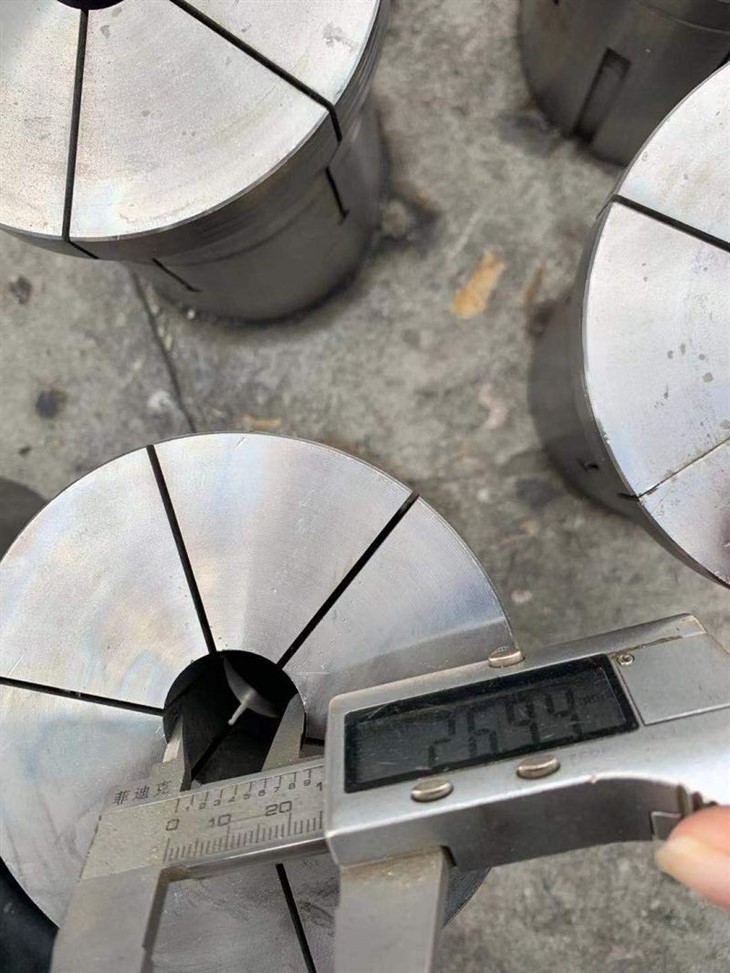

For example, in a CNC machining center, round spring steel collets can be used to hold cylindrical workpieces in the spindle. The magnetic force between the collet and the spindle helps to ensure a secure grip on the workpiece, preventing it from slipping or moving during machining. Additionally, the electrical conductivity of the collet can be used to connect the workpiece to a power source or a measurement device for electrical testing.
Electronics Manufacturing
In electronics manufacturing, round spring steel collets are used in the assembly and testing of electronic components. The non-magnetic properties of some collets make them suitable for use in applications where magnetic interference needs to be minimized. For example, in the production of printed circuit boards (PCBs), collets can be used to hold small electronic components in place during soldering or testing. The non-magnetic collets ensure that the magnetic field generated by the soldering equipment or testing device does not affect the performance of the components.
Automotive and Aerospace Industries
In the automotive and aerospace industries, round spring steel collets are used in the manufacturing of engine components, transmission parts, and other critical components. The high strength and durability of the collets make them suitable for use in high-speed machining operations, where precision and reliability are essential.
The electromagnetic properties of the collets can also be utilized in these industries. For example, in the testing of automotive sensors or aerospace components, collets can be used to hold the components in place and provide an electrical connection for testing. The magnetic properties of the collets can be used to ensure accurate alignment of the components during testing, while the electrical conductivity of the collet allows for the transfer of electrical signals.
Conclusion
In conclusion, the electromagnetic properties of round spring steel collets play an important role in their performance and applications. The magnetic and electrical properties of these collets make them suitable for a wide range of industries, including machining, electronics manufacturing, automotive, and aerospace.
As a supplier of Round Spring Steel Collets, we understand the importance of providing high-quality collets that meet the specific requirements of our customers. Whether you need magnetic or non-magnetic collets, we have the expertise and experience to offer the right solution for your application.
If you're interested in learning more about our Round Spring Steel Collets or would like to discuss your specific requirements, please don't hesitate to contact us. We look forward to the opportunity to work with you and provide you with the best collet solutions for your needs.
References
- ASM Handbook Volume 1: Properties and Selection: Irons, Steels, and High-Performance Alloys
- Spring Design Handbook, Third Edition by Roy M. Carlson
- Machining Technology: An Introduction, Fourth Edition by Robert L. Sawyer