

Hey there! As a supplier of Spring Steel Collets, I often get asked about the maximum clamping diameter of these nifty little tools. So, I thought I'd take a deep dive into this topic and share some insights with you.
First off, let's understand what a spring steel collet is. It's a type of chuck that's used to hold a workpiece in place during machining operations. Spring steel collets are made from high - quality spring steel, which gives them the flexibility and strength needed to grip the workpiece securely. They come in different shapes and sizes, such as Hex Spring Steel Collet, Round Spring Steel Collet, and Octagonal Spring Steel Collet.
The maximum clamping diameter of a spring steel collet is an important factor to consider. It determines the size of the workpiece that the collet can hold. There are several factors that influence this maximum clamping diameter.
One of the main factors is the material of the collet. Spring steel is known for its excellent elasticity and toughness. The grade of spring steel used in the collet can have a significant impact on its maximum clamping diameter. Higher - grade spring steels can generally withstand more stress and deformation, allowing for a larger maximum clamping diameter. For example, a collet made from a high - carbon spring steel might have a larger clamping capacity compared to one made from a lower - grade steel.
The design of the collet also plays a crucial role. Collets with a more complex design, such as those with multiple segments or a special taper, can often achieve a larger maximum clamping diameter. The number of slits in the collet is another important design aspect. More slits can provide greater flexibility, which in turn can increase the maximum clamping diameter. However, too many slits can also weaken the collet, so there's a balance that needs to be struck.
The manufacturing process is yet another factor. Precision manufacturing techniques ensure that the collet has the correct dimensions and tolerances. A well - manufactured collet will have a more accurate maximum clamping diameter. For instance, if the collet is machined with high - precision tools, it's more likely to have a consistent and reliable maximum clamping diameter.
Now, let's talk about how to determine the maximum clamping diameter. In most cases, the manufacturer will provide a specification sheet for the collet. This sheet will list the maximum clamping diameter along with other important information such as the minimum clamping diameter, the material, and the recommended applications.
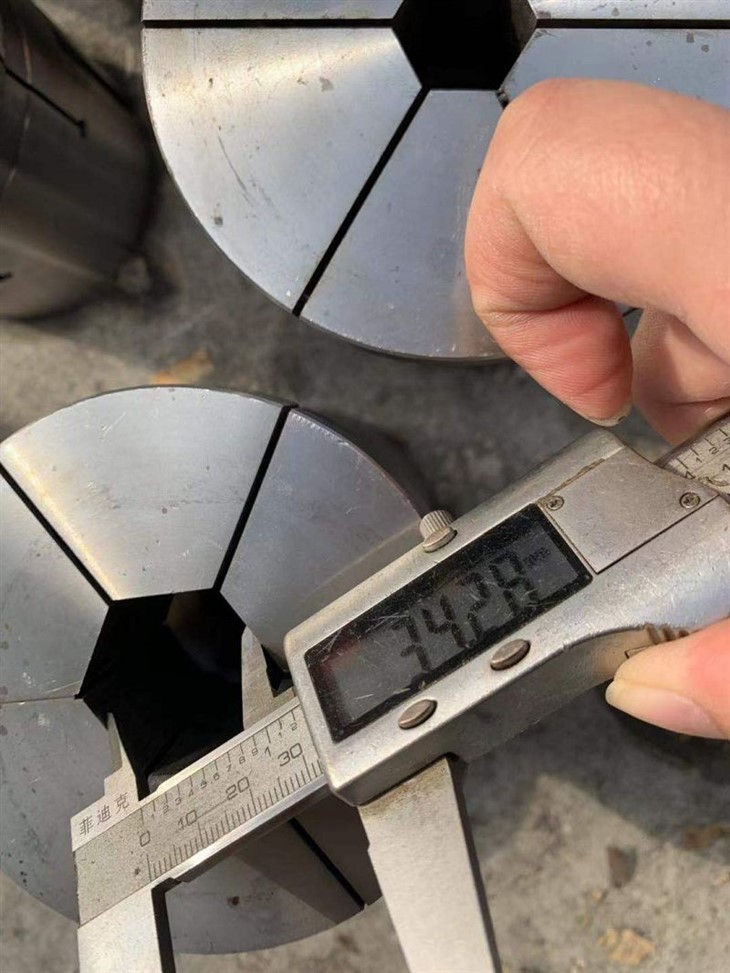
You can also measure the maximum clamping diameter yourself. To do this, you'll need a set of precision measuring tools, such as calipers. First, make sure the collet is clean and free of any debris. Then, insert a test piece of the appropriate size into the collet and gradually tighten the collet. Measure the diameter of the test piece at the point where the collet can no longer grip it securely. This will give you an approximation of the maximum clamping diameter.
It's important to note that the maximum clamping diameter is not a fixed value. It can vary depending on the operating conditions. For example, if the collet is used in a high - speed machining operation, the centrifugal forces can cause the collet to expand slightly, reducing its effective clamping diameter. Similarly, if the collet is exposed to high temperatures, the material may expand or lose some of its elasticity, which can also affect the maximum clamping diameter.
When choosing a spring steel collet, it's essential to select one with a maximum clamping diameter that suits your needs. If you're working with small - diameter workpieces, you might not need a collet with a large maximum clamping diameter. On the other hand, if you're dealing with larger workpieces, you'll need to choose a collet that can accommodate them.

As a Spring Steel Collet supplier, I've seen firsthand the importance of getting the maximum clamping diameter right. A collet with the wrong maximum clamping diameter can lead to poor machining results, such as inaccurate dimensions or a loose grip on the workpiece. This can result in wasted time and materials, as well as potential damage to the machine.
So, if you're in the market for a spring steel collet, I encourage you to carefully consider the maximum clamping diameter. Look at the specifications provided by the manufacturer, and if possible, test the collet yourself. And if you have any questions or need help in choosing the right collet for your application, don't hesitate to reach out. We're here to assist you in making the best choice for your machining needs. Whether you're looking for a Hex Spring Steel Collet, Round Spring Steel Collet, or Octagonal Spring Steel Collet, we've got you covered.
If you're interested in purchasing spring steel collets, feel free to contact us for a detailed discussion. We can provide you with more information on our products, pricing, and delivery options. Let's work together to ensure that your machining operations run smoothly and efficiently.
References:
- Machinery's Handbook, 31st Edition
- Spring Steel Collet Manufacturing Guidelines by Industry Standards Association