

Hey there! As a supplier of Spring Steel Collets, I often get asked about the minimum clamping diameter of these nifty little tools. So, I thought I'd take a deep dive into this topic and share what I've learned over the years.
First off, let's talk about what spring steel collets are. They're basically precision clamping devices used in a whole bunch of industries, especially in CNC machining. They're made from high - quality spring steel, which gives them the flexibility and strength needed to hold workpieces securely. There are different types, like the Round Spring Steel Collet, Hex Spring Steel Collet, and Octagonal Spring Steel Collet. Each type has its own unique applications and features.
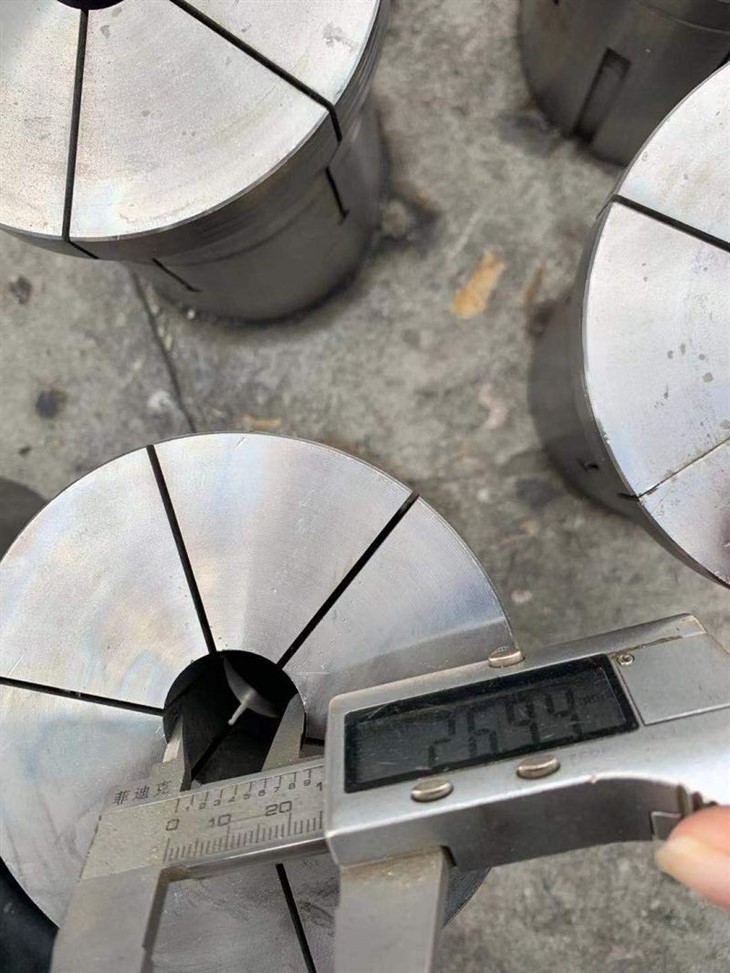

Now, getting to the main question: what's the minimum clamping diameter of a spring steel collet? Well, it's not a one - size - fits - all answer. The minimum clamping diameter can vary depending on several factors.
One of the biggest factors is the design of the collet itself. Different manufacturers have their own proprietary designs, and these can greatly affect the minimum diameter. Some collets are designed to handle very small workpieces, while others are more suited for larger ones. For example, a collet with a very fine - pitched thread or a special internal geometry might be able to clamp down on a smaller diameter workpiece compared to a more standard design.
The material of the workpiece also plays a role. If the workpiece is made of a soft material, the collet might be able to grip it at a smaller diameter because it can deform the material slightly to create a better hold. On the other hand, if the workpiece is made of a hard material like hardened steel, the collet might need a larger minimum diameter to ensure a secure grip without damaging the collet or the workpiece.
The quality of the spring steel used in the collet is another important factor. High - quality spring steel has better elasticity and strength. A collet made from top - notch spring steel can often achieve a smaller minimum clamping diameter because it can withstand the forces involved in clamping without losing its shape or breaking. Cheaper collets made from lower - quality steel might not be able to handle the same level of stress, and thus will have a larger minimum clamping diameter.
In general, the minimum clamping diameter of a spring steel collet can range from as small as 0.5 mm to around 3 mm. But again, this is just a rough estimate. Some specialized collets can go even smaller, down to 0.1 mm or less, while others might have a minimum diameter of 5 mm or more.
Let's take a closer look at the different types of collets and how their minimum clamping diameters might vary.
Round Spring Steel Collets
Round spring steel collets are the most common type. They're used for holding round workpieces, and they're great for applications where high precision is required. The minimum clamping diameter of a round spring steel collet can be quite small, especially if it's designed for micro - machining applications. For example, in the electronics industry, where tiny components need to be held securely during manufacturing, round collets with a minimum clamping diameter of 0.5 mm or less are often used. These collets are usually made from high - quality spring steel and have a very precise internal shape to ensure a tight grip on the workpiece.
Hex Spring Steel Collets
Hex spring steel collets are used for holding hexagonal workpieces. They have a hexagonal internal shape that matches the shape of the workpiece, which provides a better grip compared to a round collet in some cases. The minimum clamping diameter of a hex spring steel collet is typically a bit larger than that of a round collet. This is because the hexagonal shape requires a certain amount of space to fit the workpiece properly. Usually, the minimum clamping diameter of a hex spring steel collet starts at around 1 mm, but it can go up to 5 mm or more depending on the design and the quality of the collet.
Octagonal Spring Steel Collets
Octagonal spring steel collets are less common than round and hex collets, but they're used for holding octagonal workpieces. Their minimum clamping diameter is also affected by their shape. Similar to hex collets, they need a bit more space compared to round collets. The minimum clamping diameter of an octagonal spring steel collet usually starts at around 1.5 mm and can go up to 6 mm or more.
When choosing a spring steel collet based on its minimum clamping diameter, it's important to consider your specific application. If you're working on a project that requires holding very small workpieces, you'll need to look for a collet with a small minimum clamping diameter. Make sure to check the specifications provided by the manufacturer to ensure that the collet will meet your requirements.
It's also a good idea to test the collet before using it in a production environment. You can do this by clamping a test workpiece of the appropriate diameter and checking the grip strength and the precision of the hold. If the collet doesn't perform as expected, you might need to look for a different one.
As a Spring Steel Collet supplier, I've seen firsthand how important it is to choose the right collet for the job. We offer a wide range of collets with different minimum clamping diameters to meet the needs of various industries. Whether you're in the automotive, aerospace, electronics, or any other industry that requires precision machining, we've got the collets you need.
If you're in the market for spring steel collets and want to know more about the minimum clamping diameter or any other aspect of our products, don't hesitate to reach out. We're here to help you find the perfect collet for your specific application. Contact us to start a discussion about your requirements, and let's work together to get the best results for your projects.
References
- Machinery's Handbook, 31st Edition
- Precision Machining Technology: A Comprehensive Guide
- Spring Steel Manufacturing and Applications - Industry White Paper