

Hey there! As a supplier of spring steel collets, I've seen firsthand how important it is to use these nifty little tools safely. Spring steel collets are super handy in a bunch of industries, from manufacturing to woodworking. They're used to hold workpieces firmly in place during machining operations, which is crucial for getting accurate and high - quality results. But, just like any tool, if not used correctly, they can pose some risks. So, let's dive into the safety precautions you should take when using spring steel collets.
1. Inspection Before Use
Before you even think about using a spring steel collet, you gotta give it a thorough once - over. Check for any visible signs of damage, like cracks, chips, or excessive wear. A damaged collet won't hold the workpiece properly, and it could even break apart during operation, which is a major safety hazard.
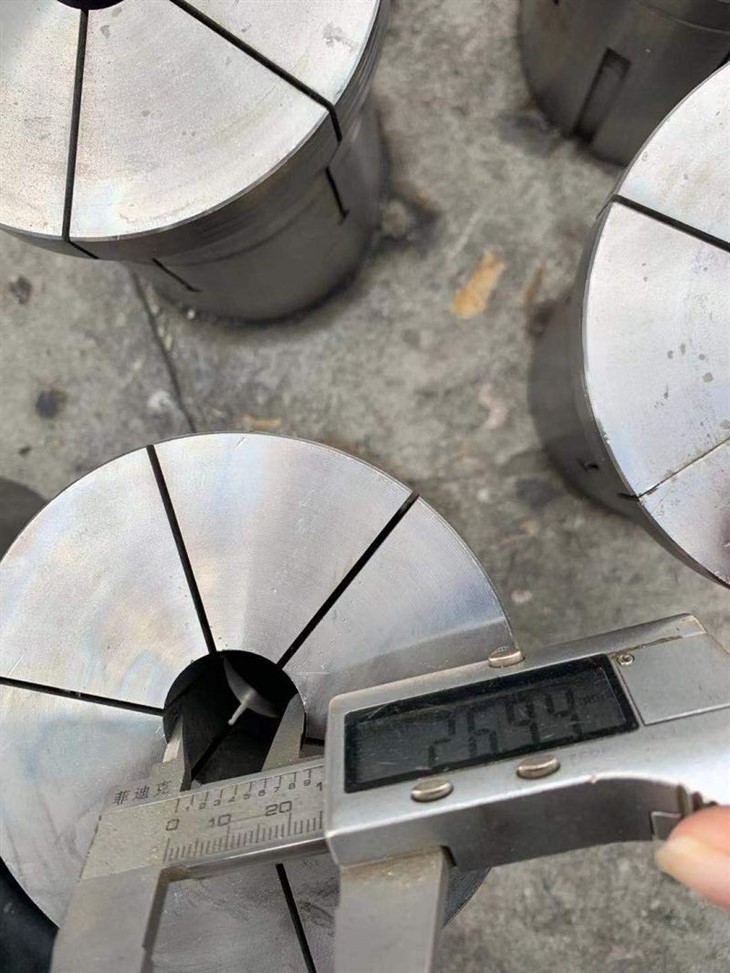
I've had customers come to me after experiencing issues because they didn't inspect their collets. One time, a woodworker didn't notice a small crack in a Round Spring Steel Collet. When he started the machining process, the collet split, and the workpiece flew out, almost hitting him. So, always make it a habit to inspect your collets. Look at the outer surface, the inner bore, and the slots. If you see any signs of trouble, don't use it. Replace it with a new one right away.
2. Proper Installation
Installing a spring steel collet correctly is key to both safety and performance. First off, make sure the spindle or chuck where you're installing the collet is clean and free of debris. Any dirt or chips can prevent the collet from seating properly, leading to an unstable hold on the workpiece.
When inserting the collet into the spindle, do it gently and make sure it's aligned correctly. You don't want to force it in, as this can damage the collet or the spindle. Use the appropriate tools for tightening the collet. For example, if it's a nut - tightened collet, use a torque wrench to apply the right amount of force. Over - tightening can cause the collet to crack, while under - tightening can result in the workpiece coming loose.
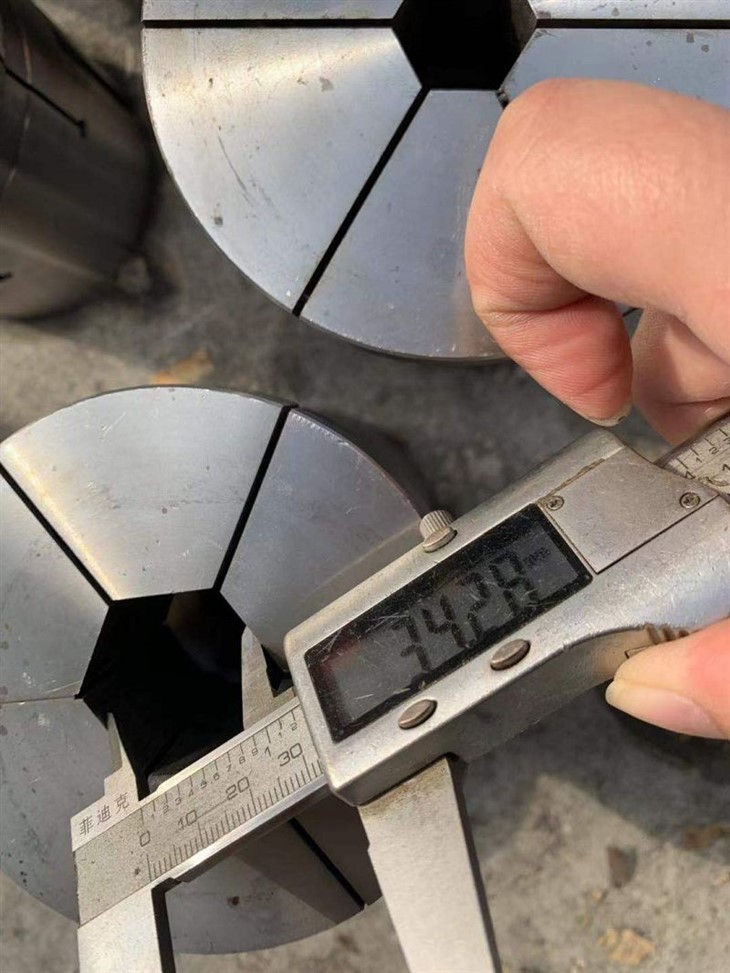
I remember a customer who was in a hurry to finish a job. He installed a Hex Spring Steel Collet without cleaning the spindle properly. During the operation, the collet shifted, and the workpiece started to vibrate. This not only affected the quality of the work but also put him at risk of injury. So, take your time and install the collet correctly.
3. Compatibility
Using the right collet for the job is essential. Spring steel collets come in different shapes and sizes, like round, hexagonal, and octagonal. Make sure you choose the collet that matches the shape and size of your workpiece. For instance, if you're working with a round workpiece, use a Round Spring Steel Collet. Using an incompatible collet won't hold the workpiece securely, and it can cause it to slip out during operation.
Also, consider the material of the workpiece. Some materials are harder or more brittle than others, and you need a collet that can handle the specific demands of the material. If you're working with a very hard material, a collet with higher strength and durability is required. Don't try to use a collet that's designed for a softer material on a hard one, as it may not be able to withstand the forces involved.
4. Operating Conditions
The environment in which you use spring steel collets matters a lot. Keep the workspace clean and well - lit. A cluttered workspace can lead to accidents, and poor lighting can make it difficult to see what you're doing.
When it comes to the machining operation itself, use the correct cutting speeds and feeds. Running the machine too fast or using the wrong feed rate can put excessive stress on the collet and the workpiece. This can cause the collet to fail or the workpiece to break free. Refer to the manufacturer's guidelines for the recommended cutting speeds and feeds based on the material and the size of the workpiece.
I once had a client who was using a Octagonal Spring Steel Collet in a dimly lit workshop. He couldn't see that the workpiece was starting to shift. As a result, the collet couldn't hold it properly, and the workpiece got damaged. So, pay attention to the operating conditions and make sure everything is set up correctly.
5. Personal Protective Equipment (PPE)
Never underestimate the importance of wearing the right PPE when using spring steel collets. Safety glasses are a must. During machining operations, chips and debris can fly off the workpiece, and they can easily get into your eyes. I've seen too many cases where workers didn't wear safety glasses and ended up with eye injuries.
In addition to safety glasses, wear gloves to protect your hands from sharp edges and to get a better grip on the tools. If the machining process generates a lot of noise, wear ear protection. And if there's a risk of dust or fumes, use a respirator.
I know some people think wearing PPE is a hassle, but it's a small price to pay for your safety. I always tell my customers that it's better to be safe than sorry.
6. Maintenance
Regular maintenance of your spring steel collets is crucial for their long - term performance and safety. After each use, clean the collet thoroughly. Remove any chips, dirt, or coolant from the collet. You can use a brush or compressed air to clean it.
Store the collets in a dry and clean place. Moisture can cause rust and corrosion, which can weaken the collet over time. You can use a storage case or a rack to keep the collets organized and protected.
Periodically, check the collets for wear and tear. Even if they seem to be in good condition, they may have some internal damage that's not visible to the naked eye. If you notice any signs of wear, such as reduced gripping force or a change in the shape of the collet, it's time to replace it.
7. Training
If you're working in a team or if you're new to using spring steel collets, proper training is essential. Make sure everyone knows how to inspect, install, and use the collets correctly. Provide training on the safety precautions and the operating procedures.
I've seen companies where employees were not properly trained on using collets. This led to a lot of accidents and damage to the equipment. By investing in training, you can ensure that everyone in the workplace is using the collets safely and effectively.
Conclusion
Using spring steel collets can be a great way to improve the efficiency and accuracy of your machining operations. But it's important to take the necessary safety precautions to avoid accidents and injuries. By inspecting the collets before use, installing them correctly, considering the operating conditions, wearing the right PPE, and maintaining them properly, you can ensure a safe and productive working environment.
If you're in the market for high - quality spring steel collets, I'm here to help. Whether you need a Round Spring Steel Collet, a Hex Spring Steel Collet, or an Octagonal Spring Steel Collet, I can provide you with the right products for your needs. Don't hesitate to reach out for more information or to discuss your requirements. Let's work together to make your machining operations safer and more efficient.
References
- Machining Handbook, Various Editions
- Manufacturer's Manuals for Spring Steel Collets
- Industry Safety Guidelines for Machining Operations