

Spring steel collets are essential components in various industrial applications, known for their ability to hold workpieces securely in machining operations. As a leading spring steel collet supplier, we understand the importance of surface treatments in enhancing the performance, durability, and functionality of these collets. In this blog post, we will explore the different surface treatments available for spring steel collets and their benefits.
Nitriding
Nitriding is a heat treatment process that introduces nitrogen into the surface of the spring steel collet. This creates a hard, wear-resistant layer that can significantly improve the collet's performance. There are several types of nitriding processes, including gas nitriding, ion nitriding, and salt bath nitriding.
- Gas Nitriding: This is the most common type of nitriding process. The collets are placed in a furnace and heated in a nitrogen-rich atmosphere. The nitrogen diffuses into the surface of the steel, forming nitrides that increase hardness and wear resistance. Gas nitriding can also improve the collet's fatigue strength and corrosion resistance.
- Ion Nitriding: Also known as plasma nitriding, this process uses a low-pressure plasma to introduce nitrogen into the surface of the collet. Ion nitriding offers several advantages over gas nitriding, including better control over the nitriding process, shorter processing times, and the ability to nitride complex shapes.
- Salt Bath Nitriding: In this process, the collets are immersed in a molten salt bath containing nitrogen compounds. The nitrogen diffuses into the surface of the steel, forming a hard, wear-resistant layer. Salt bath nitriding is often used for small or complex-shaped collets.
The benefits of nitriding spring steel collets include increased hardness, wear resistance, fatigue strength, and corrosion resistance. Nitrided collets can also provide better grip on workpieces, reducing the risk of slippage during machining operations.
Electroplating
Electroplating is a process that deposits a thin layer of metal onto the surface of the spring steel collet. This can be used to improve the collet's appearance, corrosion resistance, and wear resistance. Common metals used in electroplating include chrome, nickel, and zinc.
- Chrome Plating: Chrome plating is a popular choice for spring steel collets due to its excellent hardness, wear resistance, and corrosion resistance. Chrome-plated collets have a smooth, shiny surface that can reduce friction and improve the collet's performance.
- Nickel Plating: Nickel plating can provide good corrosion resistance and a smooth surface finish. It can also improve the collet's solderability, making it suitable for applications where soldering is required.
- Zinc Plating: Zinc plating is a cost-effective way to improve the corrosion resistance of spring steel collets. Zinc-plated collets are often used in applications where the collet is exposed to moisture or corrosive environments.
The benefits of electroplating spring steel collets include improved appearance, corrosion resistance, wear resistance, and solderability. Electroplated collets can also provide better release properties, making it easier to remove the workpiece from the collet after machining.
Black Oxide Coating
Black oxide coating is a chemical conversion coating that creates a black, protective layer on the surface of the spring steel collet. This coating can improve the collet's corrosion resistance, lubricity, and appearance.
The black oxide coating process involves immersing the collets in a hot alkaline solution containing oxidizing agents. The solution reacts with the surface of the steel, forming a thin layer of iron oxide. This layer provides a black, matte finish that can reduce glare and improve the collet's aesthetic appeal.
The benefits of black oxide coating spring steel collets include improved corrosion resistance, lubricity, and appearance. Black oxide-coated collets can also provide better grip on workpieces, reducing the risk of slippage during machining operations.
Passivation
Passivation is a chemical process that removes free iron and other contaminants from the surface of the spring steel collet. This creates a passive oxide layer on the surface of the steel, which can improve the collet's corrosion resistance.
The passivation process involves immersing the collets in a nitric acid solution or a citric acid solution. The solution dissolves the free iron and other contaminants on the surface of the steel, leaving behind a clean, passive surface.
The benefits of passivation include improved corrosion resistance, especially in environments where the collet is exposed to moisture or corrosive chemicals. Passivated collets can also provide better protection against rust and other forms of corrosion.
PTFE Coating
PTFE (polytetrafluoroethylene) coating is a non-stick coating that can be applied to the surface of the spring steel collet. This coating can reduce friction, improve the collet's release properties, and prevent the build-up of debris on the collet's surface.
The PTFE coating process involves applying a thin layer of PTFE to the surface of the collet using a spray or dip coating method. The coating is then cured at a high temperature to ensure proper adhesion.
The benefits of PTFE coating spring steel collets include reduced friction, improved release properties, and prevention of debris build-up. PTFE-coated collets can also provide better performance in applications where the collet is in contact with sticky or abrasive materials.
Conclusion
As a spring steel collet supplier, we offer a wide range of surface treatments to meet the specific needs of our customers. Whether you need improved hardness, wear resistance, corrosion resistance, or non-stick properties, we can provide the right surface treatment for your spring steel collets.
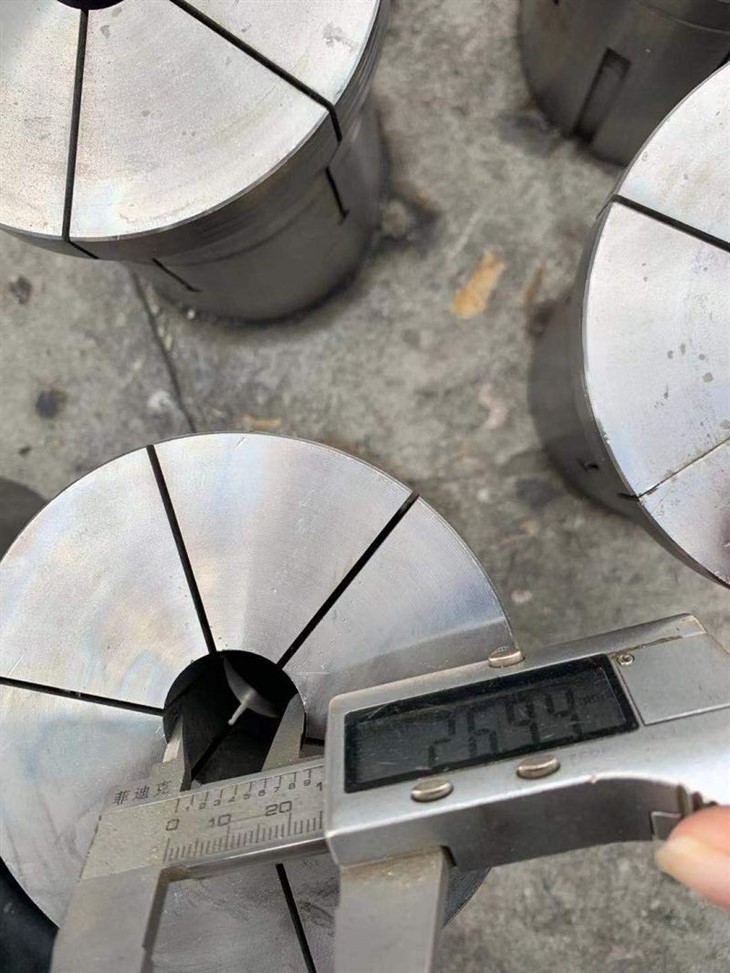

Our Octagonal Spring Steel Collet, Hex Spring Steel Collet, and Round Spring Steel Collet can all be customized with the appropriate surface treatments to enhance their performance and durability.
If you are interested in learning more about our spring steel collets and the available surface treatments, or if you have specific requirements for your application, please feel free to contact us. Our team of experts is ready to assist you in finding the best solution for your needs.
References
- ASM Handbook Volume 4: Heat Treating. ASM International.
- Electroplating Engineering Handbook. McGraw-Hill.
- Surface Engineering for Corrosion and Wear Resistance. Woodhead Publishing.