

As a supplier of Round Spring Steel Collets, I've witnessed firsthand the importance of these components in various industrial applications. Round Spring Steel Collets are widely used in CNC machines and other precision equipment for holding tools or workpieces securely. However, like any mechanical part, they are prone to certain failures. In this blog, I'll discuss the common failures of Round Spring Steel Collets and provide practical solutions to address them.
Common Failures of Round Spring Steel Collets
1. Loss of Grip Force
One of the most common issues with Round Spring Steel Collets is the loss of grip force. Over time, the collet may lose its ability to hold the tool or workpiece firmly, leading to inaccurate machining and potential safety hazards. This can be caused by several factors:
- Wear and Tear: Continuous use of the collet can cause the spring steel to wear out, reducing its elasticity and grip strength.
- Improper Installation: If the collet is not installed correctly, it may not be able to apply the necessary pressure to hold the tool or workpiece securely.
- Contamination: Dirt, debris, or coolant can accumulate inside the collet, preventing it from closing properly and reducing its grip force.
2. Collet Deformation
Another common failure is collet deformation. The collet may become distorted or bent, which can affect its ability to hold the tool or workpiece accurately. This can be caused by:

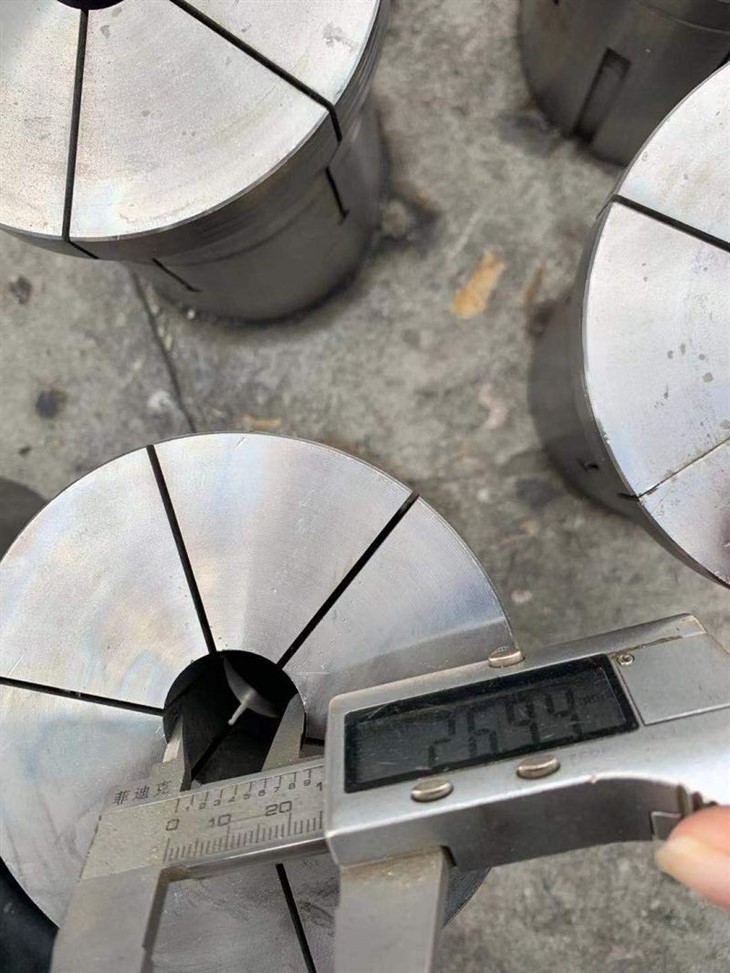
- Overloading: Applying excessive force or torque to the collet can cause it to deform. This can happen if the tool or workpiece is too large or if the machining process requires high cutting forces.
- Improper Handling: Rough handling of the collet during installation or removal can also cause deformation.
- Heat Exposure: High temperatures generated during machining can cause the collet to expand and contract, leading to deformation over time.
3. Cracking or Breaking
In some cases, Round Spring Steel Collets may crack or break. This can be a serious issue as it can lead to tool or workpiece damage and pose a safety risk. Cracking or breaking can be caused by:
- Material Defects: Poor quality or defective spring steel can increase the likelihood of cracking or breaking.
- Fatigue: Repeated use of the collet can cause fatigue, which can lead to cracks or breaks over time.
- Overloading: Applying excessive force or torque to the collet can also cause it to crack or break.
Solutions to Common Failures
1. Regular Inspection and Maintenance
To prevent the common failures mentioned above, it's important to conduct regular inspections and maintenance of the Round Spring Steel Collets. This includes:
- Visual Inspection: Check the collet for signs of wear, deformation, cracking, or contamination. If any issues are detected, replace the collet immediately.
- Cleaning: Clean the collet regularly to remove dirt, debris, and coolant. Use a clean cloth or compressed air to clean the inside and outside of the collet.
- Lubrication: Apply a small amount of lubricant to the collet to reduce friction and wear. Make sure to use a lubricant that is compatible with the collet material.
2. Proper Installation and Handling
Proper installation and handling of the Round Spring Steel Collets are crucial to prevent failures. Follow these guidelines:
- Read the Manual: Before installing the collet, read the manufacturer's manual carefully to ensure that you are using the correct installation procedure.
- Use the Right Tools: Use the appropriate tools for installing and removing the collet. Avoid using excessive force or torque.
- Handle with Care: Handle the collet gently to prevent deformation or damage. Avoid dropping or hitting the collet.
3. Selecting the Right Collet
Choosing the right Round Spring Steel Collet for the application is also important. Consider the following factors:
- Size and Tolerance: Make sure to select a collet that is the correct size and tolerance for the tool or workpiece. Using a collet that is too small or too large can cause grip problems and increase the risk of failure.
- Material and Quality: Choose a collet made from high-quality spring steel to ensure durability and reliability. Look for collets that are manufactured to strict quality standards.
- Application Requirements: Consider the specific requirements of your application, such as the type of machining process, cutting forces, and temperature. Select a collet that is designed to meet these requirements.
Other Types of Spring Steel Collets
In addition to Round Spring Steel Collets, there are other types of spring steel collets available, such as Octagonal Spring Steel Collet and Hex Spring Steel Collet. These collets are designed for specific applications and offer different advantages. For example, octagonal collets provide better gripping power and are suitable for high-torque applications, while hex collets are commonly used for holding hexagonal tools.
Conclusion
Round Spring Steel Collets are essential components in many industrial applications, but they are prone to certain failures. By understanding the common failures and implementing the solutions mentioned above, you can prevent these issues and ensure the reliable performance of your collets. If you have any questions or need further assistance, please don't hesitate to contact us. We are a leading supplier of Round Spring Steel Collet and other CNC machine spare parts, and we are committed to providing high-quality products and excellent customer service.
References
- Manufacturer's manuals for Round Spring Steel Collets
- Industry standards and guidelines for collet installation and maintenance
- Technical articles and research papers on spring steel collet performance and failure analysis