

Hey there! As a supplier of Hex Spring Steel Collets, I often get asked about the differences between hex spring steel collets and other types of collets. So, I thought I'd take a moment to break it down for you.
First off, let's talk about what a collet is. A collet is a type of chuck that's used to hold a tool or workpiece in place. It's usually made of metal and has a tapered shape that allows it to grip the tool or workpiece tightly. Collets come in a variety of shapes and sizes, each designed for a specific application.

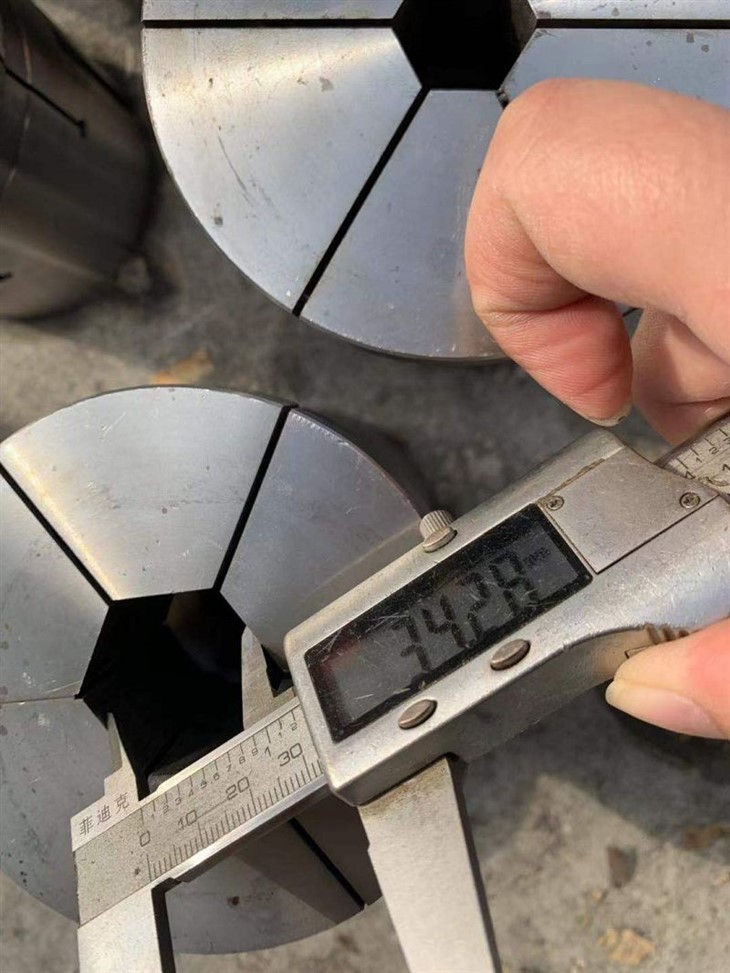
Now, let's get into the differences between hex spring steel collets and other types of collets.
Shape
The most obvious difference between a hex spring steel collet and other types of collets is its shape. As the name suggests, a hex spring steel collet has a hexagonal shape. This shape allows it to grip hexagonal-shaped tools or workpieces more securely than other types of collets. Other common shapes for collets include round and octagonal.
-
Round Spring Steel Collet: A Round Spring Steel Collet is designed to hold round tools or workpieces. It provides a uniform grip around the circumference of the round object, which is great for applications where concentricity is crucial. For example, in precision machining operations like drilling or milling round shafts, a round collet ensures that the tool remains centered, reducing the chances of errors and improving the quality of the finished product.
-
Octagonal Spring Steel Collet: An Octagonal Spring Steel Collet is used for octagonal-shaped tools or workpieces. It offers a more secure grip on octagonal objects compared to round or hex collets. This type of collet is often used in specialized machining tasks where octagonal components need to be held firmly during the manufacturing process.
Material
Hex spring steel collets are made from spring steel, which is a type of steel that's known for its high elasticity and strength. This material allows the collet to flex and grip the tool or workpiece tightly, while also providing good resistance to wear and tear. Other types of collets can be made from a variety of materials, including carbon steel, stainless steel, and carbide.
-
Carbon Steel Collets: Carbon steel collets are relatively inexpensive and offer good strength. However, they may not have the same level of elasticity as spring steel collets. This means that they might not be able to grip the tool or workpiece as tightly, especially under high-stress conditions. They are often used in less demanding applications where cost is a major factor.
-
Stainless Steel Collets: Stainless steel collets are corrosion-resistant, which makes them suitable for applications where the collet will be exposed to moisture or chemicals. They also have good strength, but they can be more expensive than carbon steel collets. Stainless steel collets are commonly used in industries such as food processing and medical device manufacturing.
-
Carbide Collets: Carbide collets are extremely hard and wear-resistant. They are often used in high-speed machining applications where the collet needs to withstand high temperatures and pressures. However, carbide collets are also very brittle and can be easily damaged if not handled properly.
Application
The shape and material of a collet determine its suitability for different applications. Hex spring steel collets are commonly used in applications where hexagonal tools or workpieces need to be held securely. Some examples of these applications include:
-
CNC Machining: In CNC machining, hex spring steel collets are used to hold hexagonal cutting tools, such as end mills and drills. The secure grip provided by the collet ensures that the tool remains in place during the machining process, resulting in accurate and precise cuts.
-
Automotive Manufacturing: In the automotive industry, hex spring steel collets are used to hold hexagonal bolts and nuts during assembly. This helps to ensure that the bolts and nuts are tightened to the correct torque, which is essential for the safety and reliability of the vehicle.
-
Jewelry Making: In jewelry making, hex spring steel collets are used to hold hexagonal gemstones or beads during the setting process. The collet provides a secure grip on the gemstone or bead, allowing the jeweler to work with it more easily and accurately.
On the other hand, round spring steel collets are more suitable for applications involving round tools or workpieces, such as turning operations on a lathe. Octagonal spring steel collets are used for specialized tasks that require the holding of octagonal components.
Performance
When it comes to performance, hex spring steel collets have several advantages over other types of collets.
-
Grip Strength: The hexagonal shape of the hex spring steel collet allows it to provide a stronger grip on hexagonal tools or workpieces compared to round or octagonal collets. This is because the flat sides of the hexagon provide more surface area for the collet to grip, resulting in a more secure hold.
-
Elasticity: Spring steel is highly elastic, which means that the hex spring steel collet can flex and conform to the shape of the tool or workpiece. This allows it to grip the object tightly, even if it has slight variations in size or shape. Other types of collets may not have the same level of elasticity, which can result in a looser grip.
-
Durability: Spring steel is also very durable and resistant to wear and tear. This means that hex spring steel collets can withstand repeated use without losing their grip strength or shape. Other types of collets may need to be replaced more frequently due to wear and damage.
Cost
The cost of a collet can vary depending on its shape, material, and size. Hex spring steel collets are generally more expensive than carbon steel collets but less expensive than carbide collets. The cost of a collet also depends on the brand and the quality of the manufacturing process.
In general, if you're working with hexagonal tools or workpieces and need a collet that provides a secure grip, good elasticity, and durability, then a Hex Spring Steel Collet is a great choice. However, if you're on a tight budget or have different application requirements, you may want to consider other types of collets.
Conclusion
So, there you have it! The main differences between hex spring steel collets and other types of collets. Whether you're a machinist, a manufacturer, or a hobbyist, choosing the right collet for your application is crucial. If you have any questions or need help selecting the right collet for your needs, don't hesitate to reach out. We're here to assist you in finding the perfect collet solution for your project. Contact us to start a discussion about your procurement needs and let's work together to get you the best collets for your operations.
References
- "Handbook of Tool and Manufacturing Engineering Knowledge." Society of Manufacturing Engineers.
- "Machinery's Handbook." Industrial Press Inc.